


The Great Pyrenees bite force is often assigned a precise PSI number online. The problem is that published research has not established one verified figure for this breed. Estimates vary widely, so owners should understand the evidence before treating any number as fact.
| Question | Evidence-based answer |
|---|---|
| Verified breed-specific PSI | No scientifically established figure |
| Common online estimates | Roughly 220 PSI to more than 700 PSI |
| Are those estimates proven? | No, published studies do not confirm a single breed-specific value |
| What affects canine bite strength? | Body size, skull shape, tooth position, muscles, motivation, and testing method |
| Is this a powerful breed? | Yes, it is a large and physically strong livestock guardian |
| Does strong bite potential mean aggression? | No, bite strength and temperament are different issues |
| Best safety approach | Training, socialization, supervision, secure management, and veterinary care |
Direct answer: No reliable scientific study gives the Great Pyrenees one confirmed PSI bite-force measurement. Online figures from about 220 PSI to 700 PSI are estimates rather than established breed data. Research shows canine bite strength changes with body size, skull structure, tooth position, motivation, and the measurement method used.
Key Takeaways
- There is no verified PSI figure that applies to every Pyr.
- Many popular bite-force charts repeat estimates without direct breed testing.
- Scientific studies usually measure force in Newtons, not a simple breed PSI ranking.
- Larger dogs can generate substantial force, but individual measurements vary greatly.
- Bite strength does not tell you whether a dog is likely to bite.
- Guardian instincts make training, socialization, and responsible management especially important.
What Science Says About Great Pyrenees Bite Force
Published canine research gives a more cautious answer than many breed websites. Researchers have measured or estimated bite forces across dogs of different sizes and skull shapes. Those studies do not provide a validated PSI rating specifically for this livestock guardian.
A 1995 pilot study tested 22 pet dogs weighing between 7 and 55 kilograms. Recorded forces ranged from 13 to 1,394 Newtons, showing substantial variation between bites. The researchers also found that willingness to bite the testing device affected the result.
A later scientific review reached a similar conclusion about measurement problems. Bite force can change with body weight, skull structure, oral pain, muscle condition, and testing technique. Researchers therefore cannot reliably turn one measurement into a universal breed number.
This distinction matters because PSI measures pressure, while Newtons measure force. Converting force into pressure requires knowing the exact contact area. That makes casual comparisons between published Newton measurements and internet PSI charts especially shaky.
Why Online PSI Numbers Differ So Much
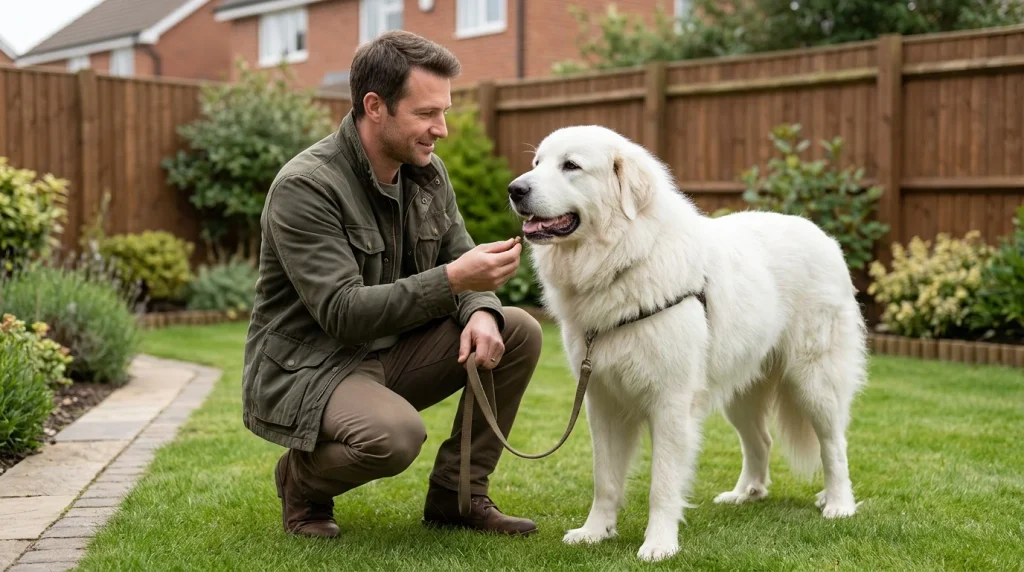
Those figures cannot all represent the same scientifically measured trait. Many articles cite other websites rather than a study testing a representative group of these dogs. Repetition can make an estimate look established even when its original evidence is unclear.
Testing conditions create another problem. A dog may bite a sensor differently during chewing, defense, play, or veterinary testing. Tooth position also matters because force tends to be greater toward the rear of the jaw.
Researchers using skull models face different limitations. Models can estimate mechanical capability from bone dimensions and muscle attachment areas. They cannot perfectly reproduce the voluntary bite of an awake animal.
What Factors Determine How Strong a Dog Can Bite?
Size is one important factor in canine jaw strength. A Journal of Anatomy study found that predicted bite force increased significantly as dog size increased. Skull shape also affected results among medium and large dogs.
More recent biomechanical research supports the importance of jaw structure and body mass. Researchers have also found differences between force produced near canine teeth and molars. This means one headline number can hide substantial mechanical variation.
The individual dog matters as well. Age, dental health, jaw pain, muscle condition, and motivation can change performance. Two similar-sized dogs may therefore produce different measurements under identical testing conditions.
For owners, the practical message is simple. A large guardian should be treated as physically capable, regardless of an unverified PSI figure. Responsible handling matters more than winning an online bite-force comparison.
Why the Breed Is Physically Powerful
The American Kennel Club describes this dog as a large working breed developed to protect livestock from predators. Adult males generally stand 27 to 32 inches tall. Males also commonly weigh at least 100 pounds.
Centuries of livestock protection required strength, endurance, confidence, and independent judgment. These dogs watched flocks in the Pyrenees Mountains and deterred threats such as wolves. Their job favored defensive presence rather than unnecessary confrontation.
That history explains why the breed can appear calm while remaining highly watchful. The AKC breed standard describes the desired temperament as confident, gentle, patient, and tolerant. Excessive aggression toward people is considered a serious fault.
Physical power should still receive respect. Even a friendly large dog can cause injury through a serious bite. Size alone also increases the consequences of poor handling or uncontrolled behavior.
Does a Powerful Bite Make the Breed Dangerous?
Bite capability and bite probability are separate questions. A strong jaw tells you what physical damage might occur if a serious bite happens. It does not predict whether an individual dog will attack someone.
Temperament, social experience, pain, fear, environment, and handling all influence behavior. Guardian breeds also tend to notice unfamiliar people and animals around their property. Owners should manage those instincts without encouraging unnecessary confrontation.
Early socialization can help dogs distinguish ordinary events from genuine threats. Calm introductions and reward-based training build more useful responses. Secure fencing also matters because livestock guardians may patrol beyond boundaries when given the opportunity.
Families researching large dogs can browse Neoazine’s Pets section for related ownership topics. The site also covers dog training equipment and e-collar considerations for owners comparing training approaches. Any training method should protect welfare and match the individual dog’s needs.
Bite Prevention Matters More Than a PSI Ranking
A dog does not need a record-setting jaw to cause an injury. Preventing bites is therefore more useful than memorizing estimated pressure figures. Owners should focus on behavior, environment, and predictable management.
Useful precautions include:
- Socialize puppies carefully with different people and environments.
- Teach reliable cues such as come, leave it, stay, and place.
- Supervise interactions with young children.
- Use secure fencing appropriate for a large guardian.
- Avoid forcing contact when the dog shows discomfort.
- Give the dog a quiet area where visitors cannot disturb it.
- Address resource guarding or fear before the behavior escalates.
- Seek professional help for threatening, repeated, or unpredictable behavior.
Watch the dog rather than relying on breed stereotypes. Stiff posture, freezing, avoidance, growling, or guarding behavior can signal discomfort. Giving space early can prevent an interaction from escalating.
Sudden behavior changes also deserve veterinary attention. Pain from an injury, dental disease, or another medical problem can lower a dog’s tolerance. Training cannot correct an untreated physical cause.
Are Great Pyrenees Good Family Dogs?
For suitable households, they can be affectionate and devoted companions. Their livestock-guardian background often produces patience, independence, and a strong attachment to the home. Their large size means supervision around small children remains sensible.
Prospective owners should also expect an independent decision-maker. These dogs were developed to work without constant human direction. Consistent training generally works better than confrontational handling.
Daily care includes more than behavioral management. Parasite prevention, grooming, exercise, and routine veterinary care all affect a dog’s comfort. Neoazine’s guide explaining whether vinegar kills fleas covers evidence-based parasite control for U.S. pet owners.
People comparing breeds may also find Neoazine’s Dachshund allergy guide useful. It explains why coat type alone does not determine allergy risk. Both topics reinforce the value of evidence instead of common pet myths.
When Should You Get Professional Help?
Repeated growling, snapping, lunging, or biting should not be dismissed because the breed is usually described as gentle. Those behaviors require attention to triggers, management, and the dog’s physical health. A veterinarian is a good starting point when behavior changes suddenly.
A qualified behavior professional can help with persistent fear, guarding, or aggression. Look for someone experienced with large independent guardian breeds. Avoid trainers who promise instant results through intimidation or punishment.
Management remains important while the cause is being addressed. Use barriers, leashes, distance, and controlled visitor routines when necessary. Do not deliberately provoke a dog to test how serious its warning behavior is.
Frequently Asked Questions
What is the Great Pyrenees bite force in PSI?
There is no scientifically verified Great Pyrenees bite force figure in PSI. Websites currently publish estimates ranging from the low 200s to more than 700 PSI. Published canine research does not establish one of those figures as the breed’s confirmed value.
Is 650 PSI a proven measurement for this breed?
No published study reviewed for this article establishes 650 PSI as a measured breed standard. That number appears in online bite-force discussions without direct breed-specific validation. It should be presented as an estimate, not a scientific fact.
Can this breed cause a serious bite injury?
Yes, any large and powerful dog can cause serious injury if it bites forcefully. The severity depends on location, duration, movement, and the individual animal. Medical evaluation is appropriate after a significant bite.
Are these dogs naturally aggressive?
The breed standard does not describe human aggression as a desirable trait. It instead emphasizes confidence, patience, gentleness, loyalty, and protective behavior when needed. Individual temperament still depends on genetics, socialization, health, training, and environment.
Why do bite-force charts give different numbers?
Many charts combine estimates made with different methods and assumptions. Some values are repeated from secondary sources without direct testing data. Scientific research shows that size, skull shape, tooth position, motivation, and measurement methods all affect results.
The Bottom Line
A precise PSI number sounds useful, but the evidence does not support one confirmed value for this breed. The better conclusion is that this is a large, powerful livestock guardian with substantial physical capability. Online numbers should not be presented as measured fact without breed-specific scientific evidence.
For U.S. owners, responsible management matters much more than a bite-force ranking. Prioritize socialization, training, secure boundaries, veterinary care, and careful supervision. Browse Neoazine’s Pets coverage for more evidence-focused guides about living safely and comfortably with animals.
