

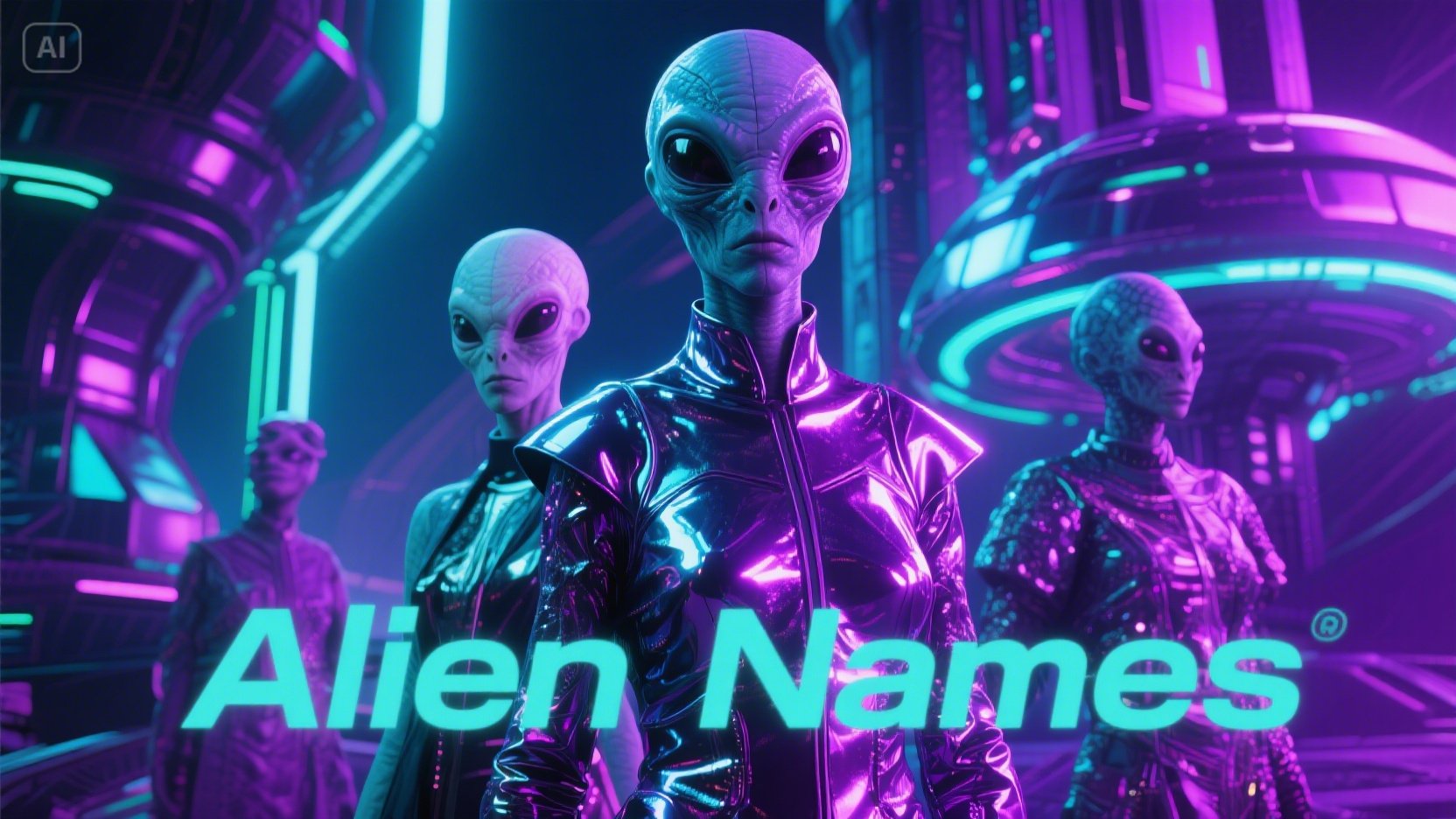
The idea of alien life has fascinated humanity for centuries. From ancient myths to modern science fiction, extraterrestrial beings have sparked curiosity and creativity. One of the most captivating aspects of imagining aliens is coming up with distinct and memorable alien names. Whether you’re a writer, gamer, or simply intrigued by sci-fi culture, understanding alien names—how they are structured, their cultural inspirations, and ways to create your own—can be immensely rewarding.
What Are Alien Names?
Alien names are given names used to identify extraterrestrial beings in fictional or speculative contexts. Unlike human names that often follow linguistic and cultural traditions, alien names are free from our earthly conventions. They might incorporate unusual sounds, symbols, or even non-verbal elements such as telepathic impressions in speculative fiction.
These names help build immersive narratives by making alien cultures feel believable and distinctive. They give personalities and backstories to characters from distant worlds or dimensions, making a story richer and more engaging.
The Importance of Alien Names in Storytelling
In science fiction and fantasy genres, alien names are more than labels—they are tools for world-building. Good alien names:
- Convey Culture: Names can hint at an alien species’ history, environment, or social structure.
- Set Tone: Harsh, guttural names might suggest a warrior race, whereas melodic, flowing names could imply a peaceful and artistic culture.
- Enhance Realism: Well-crafted alien names make fictional universes feel authentic, encouraging deeper audience investment.
For example, in popular franchises like Star Trek or Star Wars, alien names such as “Klingon” or “Wookiee” carry immediate cultural associations and help fans identify with the characters instantly.
Origins and Inspirations for Alien Names
Many writers and creators draw inspiration for alien names from diverse sources. Here are some common influences:
1. Linguistics and Phonetics
Applying unique phonetic rules creates names that sound otherworldly yet pronounceable. Some use consonant clusters or vowel combinations uncommon in human languages. For example, the character name “Zaphod” from Douglas Adams’ The Hitchhiker’s Guide to the Galaxy uses hard consonants to sound quirky and alien.
2. Mythology and Ancient Languages
Many names incorporate ancient or mythological roots, lending depth and resonance. Using Latin, Greek, or Sumerian elements can make names feel timeless and mysterious. The name “Xenomorph” (meaning “strange form”) from the Alien film series is a good example.
3. Scientific and Astronomical Terms
Planets, stars, chemical elements, and scientific concepts often inspire alien species’ names or the names individuals carry. This approach grounds the fiction in familiar yet expansive themes. Names like “Andromedan” refer to the Andromeda galaxy, linking a name to a cosmic location.
4. Cultural and Social Constructs
The societal structure or customs of an alien species can directly influence their names. For example, some species might use clan-based naming systems, while others might incorporate birth circumstances or achievements within their names.
Famous Examples of Alien Names in Pop Culture
Understanding well-known alien names can provide insight and inspiration.
- Spock (Star Trek): A Vulcan-human hybrid name that has become synonymous with logic and curiosity.
- Yoda (Star Wars): Short, simple, yet memorable. The name reinforces the character’s mystical aura and wisdom.
- E.T. (E.T. the Extra-Terrestrial): An abbreviation that became an iconic name representing the ultimate friendly alien.
- Navi (Avatar): Name of the blue-skinned natives of Pandora, reflecting exotic, natural harmony.
How to Create Your Own Alien Names
If you want to develop unique alien names, whether for storytelling, gaming, or creative exploration, consider the following steps:
1. Define the Culture and Environment
Start by imagining the species’ environment, social norms, and history. Are they underwater dwellers, desert nomads, or space nomads? A harsh environment might produce short, clipped names, while a lush world might favor melodic ones.
2. Select Sound Patterns
Create rules for consonants and vowels. Decide whether the name is harsh, smooth, guttural, or sing-song. You can borrow from existing languages or invent your own phonemes.
3. Consider Length and Complexity
Simple names are easier for audiences to remember, while lengthy ones can add exotic flair. Balance readability with uniqueness.
4. Use Meaningful Elements
Incorporate meaningful suffixes, prefixes, or entire roots. For example, “-ar” might imply nobility, or “xen-” might denote foreignness.
5. Test for Pronunciation and Recall
Say the name out loud and see if it fits the character or species. Make sure it’s not too difficult or awkward to use repeatedly.
Online Tools and Resources for Alien Names
There are various online generators and resources to help inspire alien names:
- Fantasy Name Generators – Alien Names
- NameGenerator.biz – Alien Name Generator
- Rangen.co.uk – Sci-Fi Name Generators
Final Thoughts on Alien Names
Alien names open a window into vast creative possibilities that stretch the imagination beyond Earth. Whether you are crafting an epic space saga or simply curious about extraterrestrial cultures, understanding alien names enriches your appreciation of science fiction.
By exploring their origins, cultural implications, and linguistic patterns, you can create meaningful and memorable alien names that bring your fictional worlds to life. So next time you imagine a being from beyond the stars, consider the power of the perfect alien name—it might just be the key to making your story truly out of this world.
Please Visit Our “ Education ” category.
