

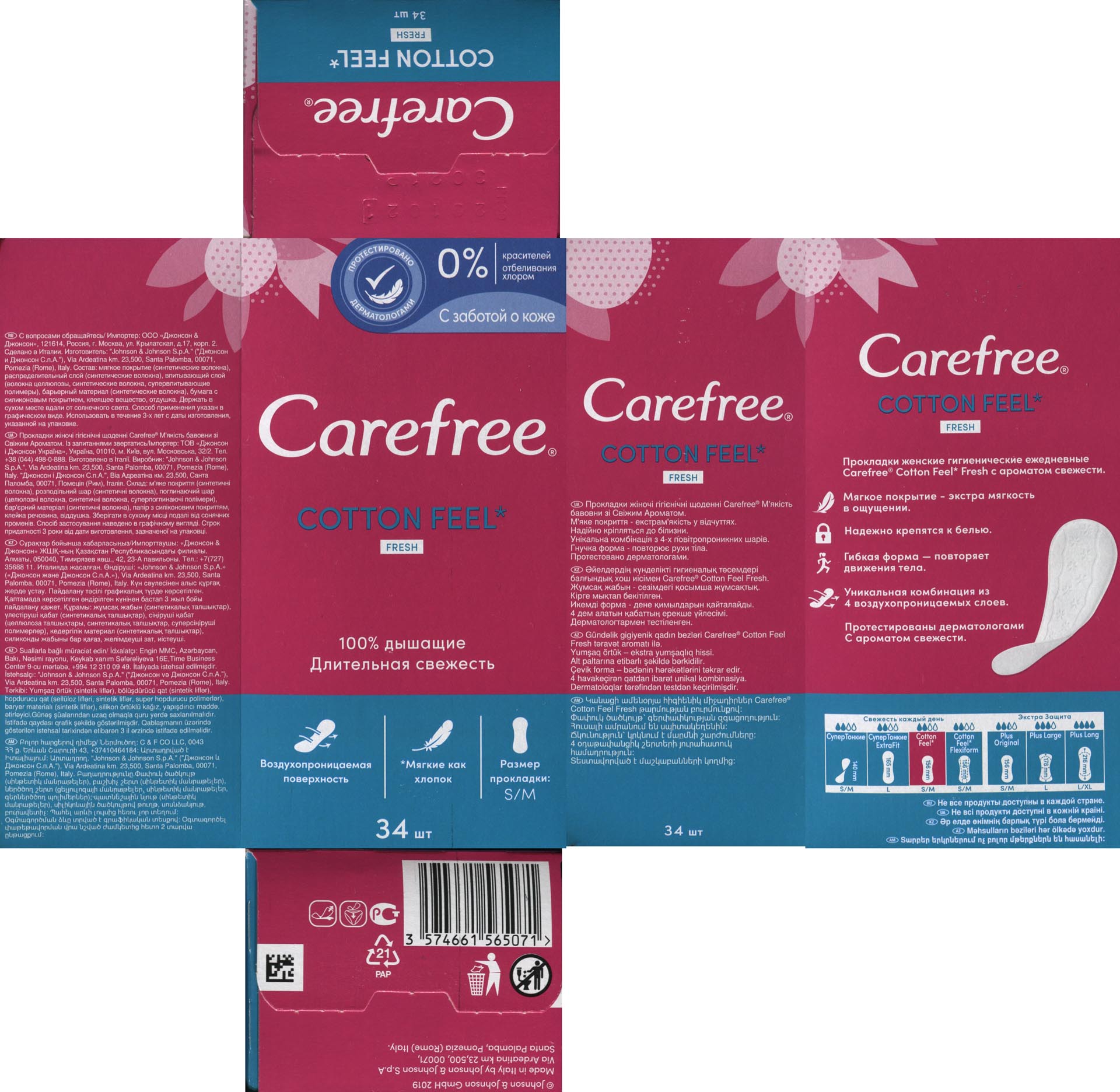
A simple daily intimate care routine needs only a few steps: wash the external area (the vulva) once or twice a day with water or a mild, pH-balanced feminine wash, dry gently, wear breathable underwear, and use a thin liner on days when discharge or sweat makes you feel less fresh. Never wash inside the vagina, because it cleans itself. This guide explains how Carefree panty liners and intimate washes fit into that routine, how to choose and use them well, what is normal and when a change in discharge or odor means it is time to see a doctor.
Understanding your body’s natural balance
The vagina is home to a community of “good” bacteria, mostly lactobacilli, which keep the environment mildly acidic, typically around pH 3.8 to 4.5. That acidity helps protect against infections. Vaginal discharge is part of this self-cleaning system: it carries away old cells and keeps tissues moist. Its amount and texture change naturally through the menstrual cycle, becoming clearer and more slippery around ovulation and thicker at other times. Pregnancy, hormonal contraception, exercise and hot weather can all increase it.
The skin of the vulva is thinner and more sensitive than skin elsewhere on the body. Harsh soaps, perfumes, tight synthetic clothing and trapped moisture can irritate it. The goal of daily intimate care is therefore not to “deep clean” but to stay comfortable while leaving that natural balance alone.
Step-by-step daily intimate care routine
- Wash externally once or twice a day. Use warm water alone or a small amount of a gentle, soap-free, pH-balanced intimate wash on the vulva only. Rinse well.
- Wipe and wash front to back. This reduces the chance of moving bacteria from the anus toward the vagina and urethra.
- Pat dry. Use a clean, soft towel and avoid rubbing. Moisture left behind can encourage irritation, especially in hot climates.
- Choose breathable underwear. Cotton or cotton-gusset underwear lets air circulate. Change it daily, and after exercise or heavy sweating.
- Add a liner when you need it. A thin liner can absorb everyday discharge or sweat so you feel fresh. Change it every few hours.
- Change out of wet clothes promptly. Swap sweaty gym wear or damp swimwear as soon as you can.
Carefree panty liners: everyday freshness
Panty liners are thin, discreet pads designed for light, everyday moisture rather than a full period. Many women use them to keep underwear clean and to feel dry between changes. Common uses include:
- Daily discharge: absorbing normal discharge so underwear stays fresh.
- Light spotting: in the days before or after a period, or with some hormonal contraceptives.
- Back-up protection: alongside a tampon or menstrual cup on lighter days.
- Sweat and heat: helpful in hot, humid weather or during long days out.
- Light bladder leaks: occasional small leaks, although dedicated bladder protection absorbs better if leaks are regular.
Choosing the right liner
| Liner type | Best for | What to look for |
|---|---|---|
| Cotton feel | Sensitive skin, everyday comfort | Soft, breathable top layer |
| Extra thin and flexible | Fitted clothing and different underwear styles, including thongs | Barely-there feel, good adhesive |
| Larger or extra coverage | Heavier discharge, spotting, back-up days | More length and absorbency |
| Unscented | Anyone prone to irritation | No added fragrance |
| Scented or odor-neutralizing | Those who prefer a fresh scent and do not react to fragrance | Test first on a normal day |
Carefree offers several of these styles, so you can keep a thinner option for everyday wear and a larger one for days when you need more coverage. Check the pack for the exact features of each product.
How to use liners well
- Change your liner every four to six hours, or sooner if it feels damp.
- Give your skin breathing time, for example by not wearing a liner overnight unless you need one.
- If you notice itching or redness, try an unscented option and see whether it settles.
- Liners are not designed for full period flow; use a pad, tampon or cup for that.
- Wrap used liners and dispose of them in a bin, never down the toilet.
Feminine wash: gentle cleansing that respects pH
Many ordinary bar soaps are alkaline, while the vulva and vagina are naturally acidic. Frequent use of harsh, perfumed soap on intimate skin can leave it dry and irritated. A dedicated intimate wash is formulated to be milder and closer to the skin’s natural pH. Carefree’s intimate care range is designed for this purpose, with gentle formulas for the external area.
Health services generally note that plain water is enough for many women, and that a mild, unperfumed wash is a good choice if you prefer to use a product. What matters most is being gentle and avoiding anything harsh.
How to use an intimate wash
- Use a small amount on the external area only, once or twice a day.
- Lather gently with your hand rather than a sponge or loofah.
- Rinse thoroughly with water and pat dry.
- Stop using any product that causes stinging, burning or itching.
Important: intimate washes are for the vulva only. Douching or washing inside the vagina can disturb its natural bacteria and has been linked with a higher risk of infections such as bacterial vaginosis.
Habits that help and habits to avoid
| Helpful habits | Habits to avoid |
|---|---|
| Washing externally with water or a mild wash | Douching or internal washing |
| Cotton or cotton-gusset underwear | Very tight synthetic clothing for long periods |
| Changing liners and pads regularly | Wearing the same liner all day |
| Unscented products if you have sensitive skin | Perfumed sprays, powders and bubble baths on intimate skin |
| Drinking enough water, especially in the heat | Staying in damp gym clothes or swimwear |
| Using a condom with new partners | Ignoring changes in discharge or odor |
Staying fresh in hot and humid weather
In the Gulf region and other hot climates, sweat and humidity are part of daily life, and they can make intimate areas feel less fresh. A few adjustments help:
- Choose loose, breathable fabrics such as cotton and linen.
- Carry a spare liner and a fresh pair of underwear on long days.
- Shower after exercise and dry thoroughly before dressing.
- Keep well hydrated, which also supports urinary health.
Gentle products work best across your whole routine; the same principles apply to your face, as in our guide to fighting blackheads while keeping skin hydrated, and to family bathing, covered in the power of gentle body wash and wipes.
Intimate care through different life stages
- During your period: change pads, tampons or cups regularly and wash externally at least once a day. A liner can help on the last light days.
- Pregnancy: discharge often increases, so many women find liners useful. Check with your doctor before using any new product if you have concerns, and report any fluid leakage or bleeding promptly.
- After childbirth: use maternity pads for postnatal bleeding rather than liners, and follow your midwife’s or doctor’s advice on hygiene.
- Menopause: lower estrogen can make intimate skin drier and more sensitive, so unscented, gentle products become even more important. A doctor can advise on treatments for dryness.
What is normal, and when to see a doctor
Healthy discharge is usually clear to white, may be thin or thick depending on your cycle, and has a mild smell or none at all. See a doctor, gynecologist or sexual health clinic if you notice:
- A strong, fishy or unusual odor
- Green, gray or yellow discharge, or thick white discharge like cottage cheese
- Itching, burning, soreness or swelling
- Pain when urinating or during sex
- Bleeding between periods, after sex or after menopause
These can be signs of thrush, bacterial vaginosis, a sexually transmitted infection or other conditions that need proper diagnosis. Liners and washes can help you feel comfortable, but they do not treat infections and should not be used to mask symptoms.
Frequently asked questions
Is it safe to wear panty liners every day?
For most women, yes, as long as you change them every few hours and choose a breathable, unscented style if your skin is sensitive. Stop if you notice irritation.
Do I need a feminine wash, or is water enough?
Water alone is enough for many women. If you prefer a product, choose a mild, soap-free, pH-balanced wash and use it on the external area only.
How often should I change a panty liner?
Every four to six hours is a good guide, or sooner if it feels damp, after exercise or in very hot weather.
Can I use a feminine wash inside the vagina?
No. The vagina cleans itself, and internal washing can upset its natural balance and increase the risk of infection. Use intimate washes on the vulva only.
When should I worry about discharge or odor?
See a doctor if discharge changes color or texture, smells strong or fishy, or comes with itching, burning, pain or unusual bleeding.
This article is general information only and is not medical advice. Consult a doctor or pharmacist about any symptoms or concerns.
